Not all memory foam pillows are created equal. We break down what actually matters — foam density, contour design, sleeping position compatibility — so you can make an informed choice instead of an expensive guess.
Memory foam — originally developed by NASA in the 1960s for aircraft seat cushioning — is a polyurethane-based material that responds to heat and pressure. When you lay your head on a memory foam pillow, the foam softens and moulds to your specific contours over a few seconds, then slowly rebounds when pressure is removed.
This matters because it fundamentally changes how support works. A fibre-fill or down pillow pushes back with equal force everywhere — creating pressure hotspots where your head is heaviest and gaps where your neck curves away. Memory foam does the opposite: it yields where pressure is highest and maintains contact where support is needed most. The result is distributed, even support that adapts to your anatomy rather than forcing your anatomy to adapt to it.
That said, "memory foam pillow" is an enormous category. The difference between a cheap memory foam pillow and a well-engineered one is significant — and it comes down to foam density, contour design, and ventilation. That's what we help you navigate.
Responds to body heat and weight, conforming to your unique head and neck shape
Returns to original shape after use — no permanent flat spots or dips
Eliminates pressure hotspots that cause tossing, turning, and morning stiffness
There's no single "best" memory foam pillow for everyone. The right choice depends on how you sleep, what problems you're trying to solve, and what you prioritise. Here's what to evaluate:
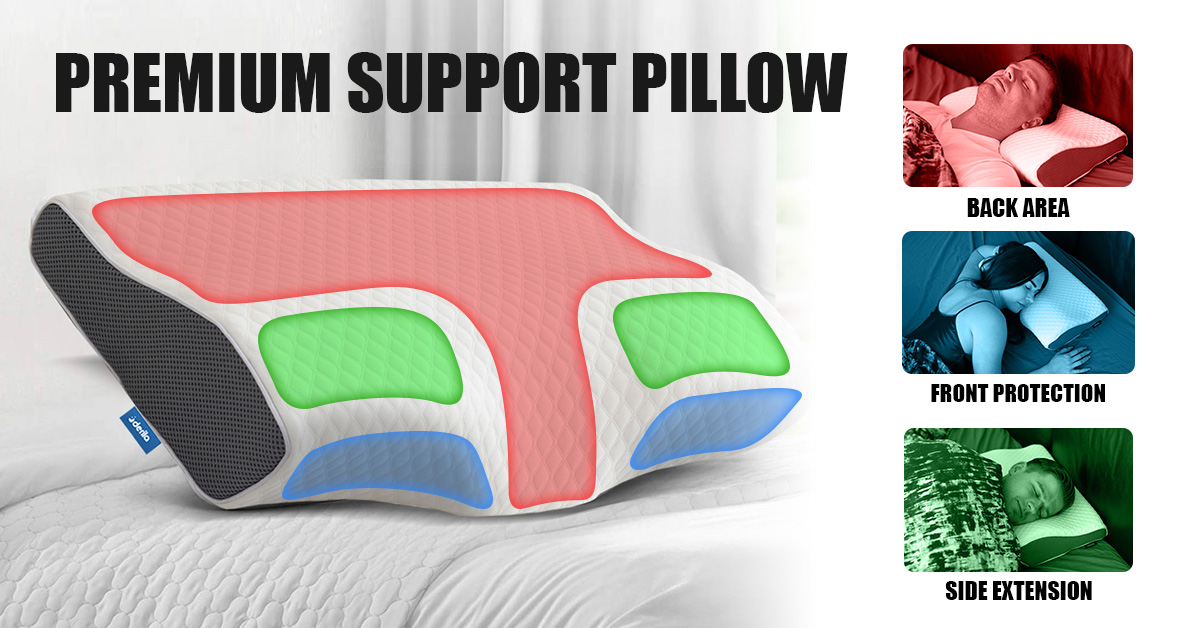
Side sleepers need the most pillow height — typically a contoured pillow with raised edges to bridge the gap between shoulder and head. Back sleepers need moderate height with cervical support at the front edge to maintain the neck's natural curve. Stomach sleepers need a very low-profile pillow or no pillow at all, as most memory foam designs will hyperextend the neck in this position.
Contoured memory foam pillows feature a shaped profile — often with a raised front edge for neck support and a recessed centre for the head. Flat (or "traditional shape") memory foam pillows look like standard pillows but use memory foam filling. Contoured designs offer superior cervical alignment; flat designs offer a more familiar feel with the pressure-relief benefits of memory foam.
Higher-density foam (typically 50–80 kg/m³) provides firmer, more durable support and holds its shape longer. Lower-density foam feels softer initially but may compress and lose support faster. For cervical support, medium-firm to firm is generally recommended by sleep ergonomics research.
Memory foam naturally retains heat. Look for pillows with ventilated channels, gel infusions, or open-cell foam structures if you tend to sleep warm. Cover material also matters — breathable knit fabrics wick moisture better than synthetic shells.
Our recommendation: If you're dealing with neck pain or morning stiffness, start with a contoured, medium-firm memory foam pillow and give it 7–14 nights to adapt. Most users who stick through the adjustment period don't go back to flat pillows.
We've researched and tested memory foam pillows across categories to help you find the right fit. Dive into our detailed content below:
We compared the leading memory foam pillows on the market across support, durability, value, and sleep position suitability. Whether you're a side sleeper, back sleeper, or budget-conscious buyer — this is the place to start.
Read the full roundup →Everything you need to know about memory foam pillows designed specifically for neck support and cervical alignment. Covers contour designs, orthopedic features, and what to look for if you're buying for neck pain relief.
Read the buyer's guide →Our most detailed single-product review. We analyse the Derila's butterfly contour design, foam quality, side-sleeper performance, and real user feedback — with an honest assessment of both strengths and weaknesses.
Read the full review →Step-by-step setup for side, back, and stomach sleepers — plus the 5 most common mistakes and how to handle the break-in period.
Read the guide →Honest look at what the Derila can and can't do for sleep apnea and snoring, including what the research says about pillow-based airway management.
Read the analysis →Current pricing across all retailers, active deals, multi-pack discounts, and tips for getting the lowest price on a Derila pillow.
Check current pricing →A quality memory foam pillow typically lasts 2–3 years with nightly use, though high-density options can last longer. Compare this to fibre-fill pillows which often flatten within 6–12 months. If your pillow no longer springs back to its original shape after folding, it's time to replace it.
Yes. Memory foam is CertiPUR-US certified (in reputable brands), meaning it's been tested for harmful chemicals, emissions, and heavy metals. New memory foam pillows often have a faint chemical smell ("off-gassing") that dissipates within 24–72 hours — this is normal and not harmful.
Never machine-wash or submerge memory foam — water breaks down the foam structure. Instead, remove and machine-wash the cover, and spot-clean the foam with a damp cloth. Allow to air-dry completely before use.
For posture-related neck pain, yes — memory foam pillows (especially contoured designs) can significantly improve cervical alignment during sleep. They're not a substitute for medical treatment for diagnosed conditions, but they address one of the most common contributors to morning stiffness: poor pillow support. Read our complete neck pillow guide for more detail.
Down pillows offer a soft, luxurious feel but provide inconsistent support — they compress unevenly and need constant reshaping. Memory foam provides structured, adaptive support that maintains its position all night. For sleepers prioritising neck support and durability, memory foam is the stronger choice. For those who prioritise a soft, cloud-like feel, down may be preferred despite its support limitations.
If you're new to memory foam pillows, our roundup of the best options in 2026 is the fastest way to narrow your choices.
See Our Top 5 Picks → Compared across comfort, support, value & durability